Born in a genetics lab. Built for everything.
Zyrkel started at the Institute of Human Genetics at UKE Hamburg. The original problem was simple: genomics pipelines are complex, parameters change between datasets, SLURM jobs run at 3 AM — and most students and researchers can't code. Bioinformatics tools should be accessible to everyone in a lab, not just the one person who knows Python. So a system was built that lowers that barrier to zero: tell it what you need, and it handles the rest. It remembers every parameter, every outcome, every lesson learned.
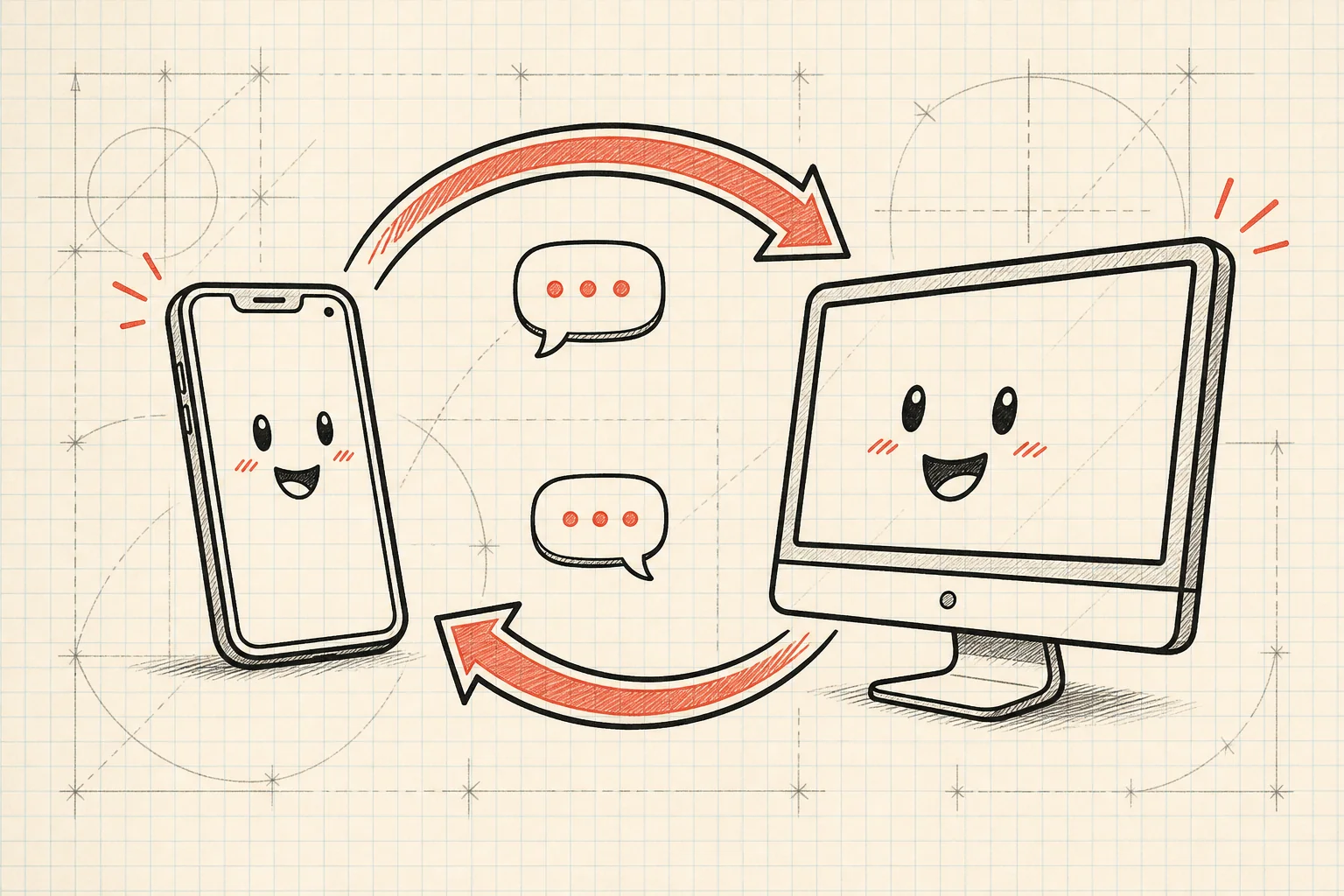
Then the memory system generalized. Tools were added — not just for genomics, but for anything. A desktop overlay appeared that could read the screen and respond in context. Voice followed. Then came the feature that changed everything: dock a Zyrkel to two programs that have no shared API, and they communicate through it. Then the fleet system arrived — one Zyrkel became two, became ten, became hundreds, each specialized, each learning independently, all coordinating.
Today, a single 25MB binary — or a fleet of thousands — runs on your laptop, your HPC cluster, or your Kubernetes infrastructure. It handles genomic variant classification and Excel spreadsheets. It monitors heartbeats and writes emails. It generates ideas and executes them autonomously. It is a cognitive unit that docks wherever it's needed.